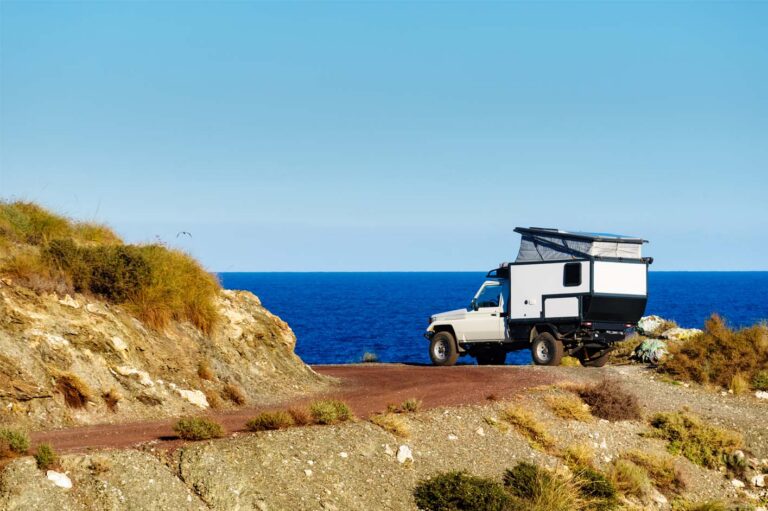

When is the best time to visit Corsica in 2026?
Planning a trip to Corsica isn’t just about booking accommodation or choosing an itinerary: it’s about understanding the seasons, anticipating the climate (which can be capricious), knowing when to enjoy the sea, the mountains, the tranquility or the entertainment. In 2026, these choices become even more essential for a great holiday. So here’s our complete guide to choosing the best time to visit Corsica and getting the most out of your getaway.
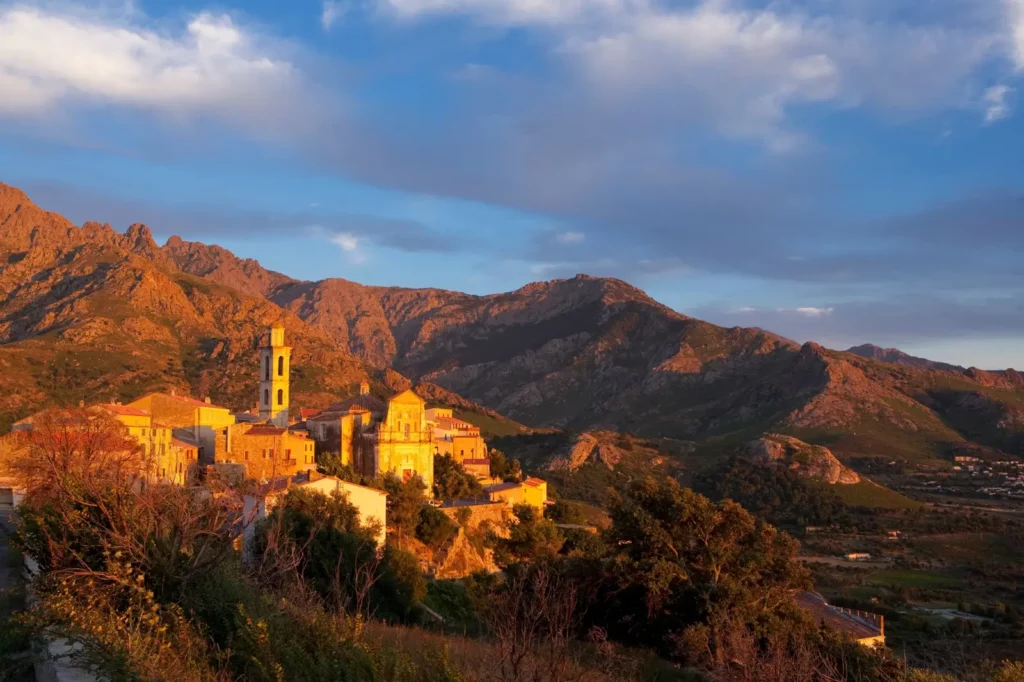
Understanding Corsica’s climate & its variations
When to go to Corsica in 2026 – Welcome to the Isle of Beauty
Corsica enjoys a typical Mediterranean climate, with hot, dry summers and mild, rainy winters. However, the island’s climate varies considerably according to altitude, exposure (east or west coast) and local winds, notably the libecciu, a south-westerly wind that is often dry in summer.
On the coast, summer temperatures often oscillate between 25 and 30°C, while the sea becomes pleasant from June onwards, with waters around 20-22°C or more depending on the area.
In the higher altitudes, spring and autumn can offer cooler conditions, with cooler nights and occasional disturbances. Spring is also marked by a richer natural environment, with a beautiful Corsican scrub reborn with its wild flowers.
Recommended months to know when to go to Corsica in 2026
May – June: enchanting spring
For me, spring is one of the best times to visit Corsica. In May and June, the landscape wakes up – the maquis is in bloom, the waterfalls are still flowing – and the temperatures are mild and very pleasant.
The beaches are beginning to be passable, although the sea may still be a little chilly for some. It’s also the ideal time for hiking, cultural visits and excursions without the crowds. The only drawback is that the hustle and bustle of the summer season has yet to begin. Gatherings, parties, entertainment etc. etc. are not all in place yet.
July – August: summer, swimming & festive atmosphere
The summer months are the peak of tourist activity. If your aim is to enjoy beaches, festivals and a lively atmosphere, this is the ideal time. The sea is warm, the days are long and the entertainment is plentiful. Beware, however, that the best-known beaches, most of which are also magnificent, are very popular, so there will be more crowds.
But beware: beyond the peak season, beware of high prices and the risk of heatwaves. You’ll need to plan ahead to manage schedules, shade and travel.
September – early October: softness and tranquillity
For many, September is the perfect month: the sea remains warm, crowds diminish and prices drop slightly. Weather conditions are often favorable for walks, beaches and hikes.
Early October may also offer a beautiful window, but the risk of weather disturbances increases, so check the weather forecasts carefully.
Winter & shoulder seasons: off-season and quiet discovery
From November to March, Corsica becomes quieter. It’s not the ideal season for swimming, but it’s a great time to discover a different face of the island: villages in the mist, minimalist hikes, local gastronomy in the peace and quiet.
Some mountain regions receive snow, which can create magnificent contrasts between white peaks and milder, more temperate coastlines.
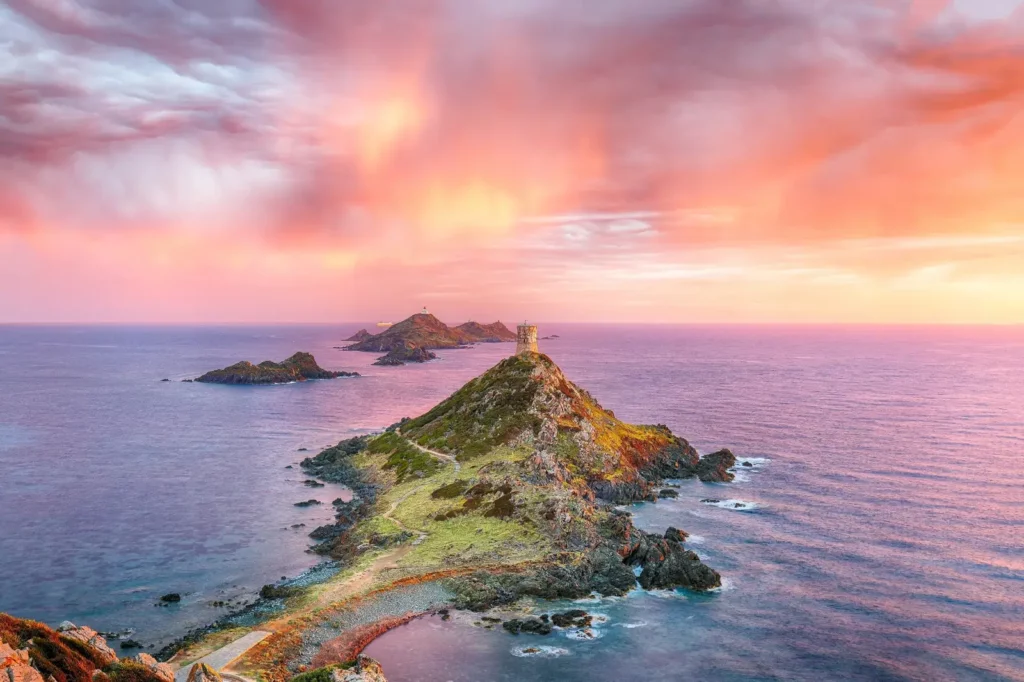
Choose according to your desires: beach, hiking, quiet or entertainment
Your travel objective will guide your choice of period.
– Beach and water sports vacations: June to September to enjoy warm waters and open seaside services.
– Hiking and gentle countryside: spring (May to June) or early autumn (September) to avoid excessive heat and crowds.
– A tranquil stay with local immersion: shoulder seasons (October, April) to experience authentic Corsica, far from the hustle and bustle.
– Cultural activities and local festivals: keep an eye out for summer festivals, night markets and patron saint’s days, often concentrated in July and August.
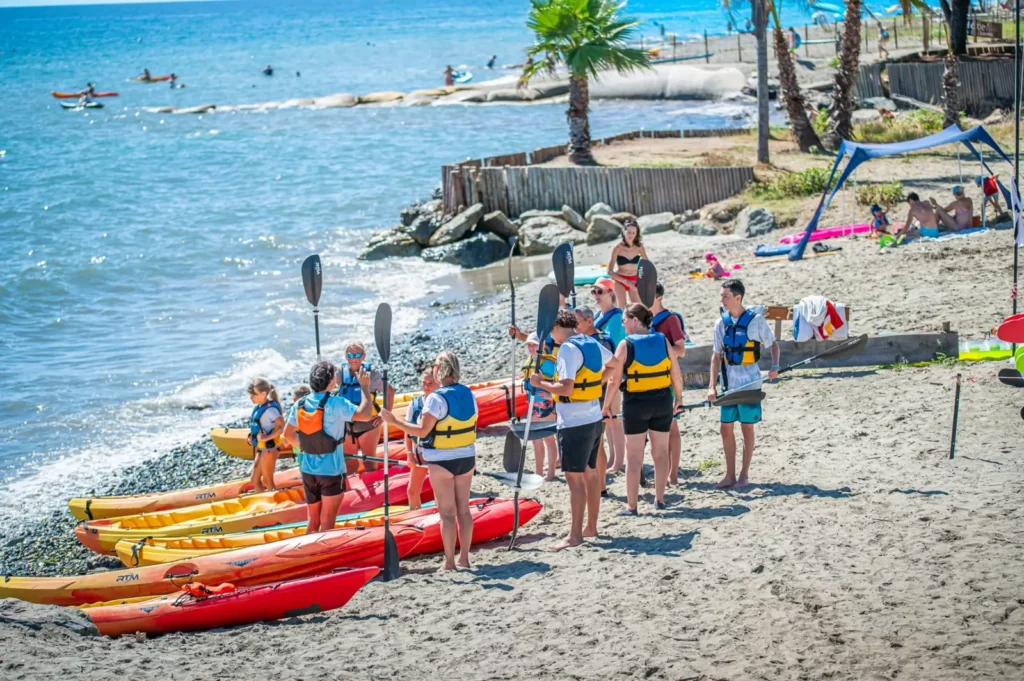
Leaving’s great, but what do you do once you’re in Corsica?
But once you’re there, you need to know what to do to make the most of the free time you’ve finally taken for yourself! So let’s tackle this topic in another article, which I’ll let you consult by clicking on the button below!
Tips for planning your stay in Corsica in 2026
Book your accommodation early, especially for the months of June to August. Check the dates of bridges, public holidays and local festivals, as crowds can rise sharply at these times.
Check the weather forecast and watch out for heat phenomena (afternoon thunderstorms in the mountains), provide shade and alternative routes.
If you plan to hike at altitude, beware of snowmelt in spring or late autumn weather conditions. Pack light clothing for the day and intermediate layers for the evenings, especially if you’re climbing to higher altitudes.
FAQ : your questions about “when to go to Corsica in 2026”?
Conclusion: when to go to Corsica in 2026
For a great stay in Corsica in 2026, the choice of period is really important.
To explore the island in all its richness, for beaches, mountains, villages, I highly recommend May-June for a milder Corsica and September for a more relaxed atmosphere.
And whatever your period, equip yourself, plan ahead, be curious… The Isle of Beauty awaits you, and no matter when you come, you’ll have a wonderful stay that will create superb memories for young and old alike!
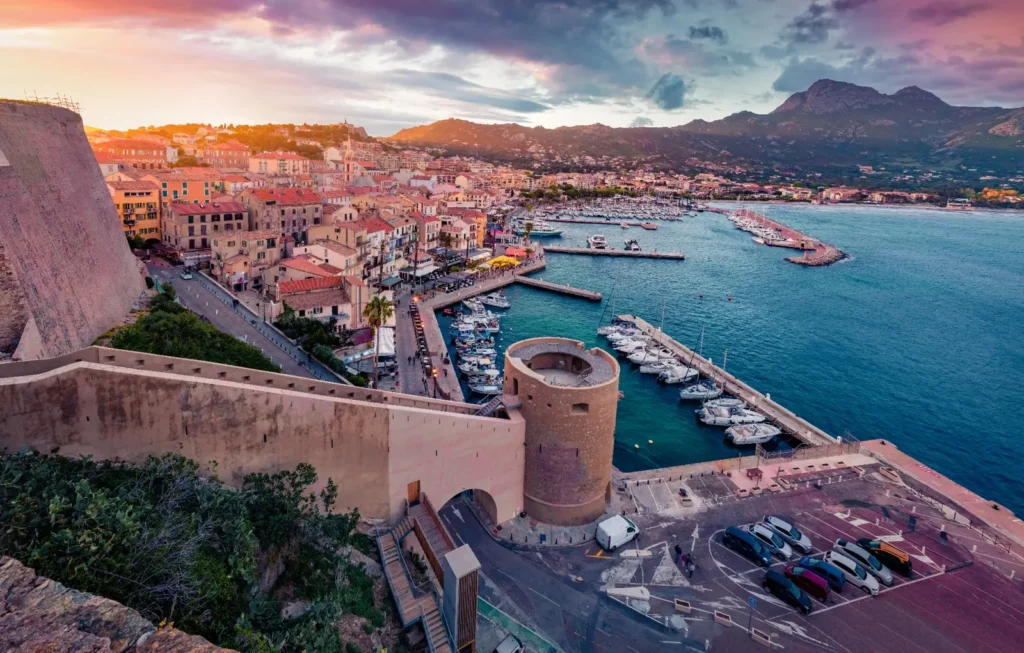
Do you know why Corsica is called the Isle of Beauty?
Corsica has been nicknamed the Isle of Beauty since the XIXᵉ century, due to the richness and diversity of its landscapes. Nowhere else in the Mediterranean can you find such a concentration of heavenly beaches, wild mountains, unspoilt forests, fragrant maquis and secret coves.
There are many ways to get there quickly and cheaply, whether by ferry or plane. In just a few hours, you can leave everyday life behind for a real change of scenery, with that special charm for which Corsica is renowned.
If this article has whetted your appetite for more, don’t hesitate to check out the site’s blog: Head over to the blog to prepare for my trip! You’ll find ideas, advice and inspiration for organizing your next vacation in Corsica, as close as possible to this unspoilt natural environment, and enjoying everything the island has to offer.
Appendix and source :
Corsica Tourist Office
Camping Haute Corse
Camping South Corsica