
Choosing the best time to visit Corsica is a crucial step in planning your trip to the Isle of Beauty. This Mediterranean destination offers radically different experiences depending on the season, from the fragrant maquis of spring and the summer heat to the gentle warmth of autumn and the authentic charm of winter. That said, each season has its own advantages and limitations that should be carefully considered.
Furthermore, Corsica reveals its many facets: idyllic beaches, legendary hiking trails , perched villages, a rich cultural heritage, and delicious cuisine. Keep in mind that the timing of your stay will influence not only your budget but also the quality of your activities and encounters. This detailed guide will help you with this strategic planning to ensure a Corsican getaway perfectly tailored to your expectations and personal constraints.
Corsican spring: nature awakens and the climate becomes mild
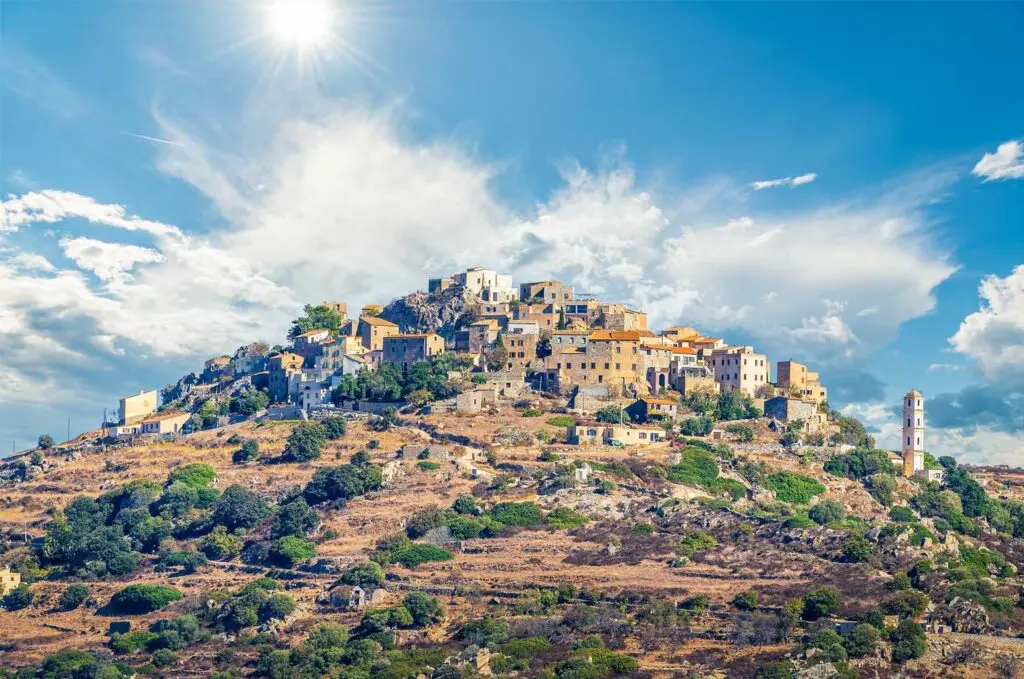
Spring in Corsica is a favorite time for many discerning travelers. From March to June, the island bursts into a thousand colors with the spectacular flowering of the maquis, creating breathtakingly beautiful landscapes . Temperatures range from 15 to 22°C, allowing for comfortable exploration without the discomfort of the summer heat .
The awakening of the maquis and local traditions
Despite the fact that the sea temperature is still too cool for swimming, spring reveals the authentic Corsica in all its splendor. It’s worth noting that this period coincides with numerous traditional festivals , cheese fairs, religious processions, and craft markets that punctuate the island’s calendar.
The almond trees in bloom create a magical spectacle from February onwards, while the hiking trails regain their optimal usability after the winter rains .
In addition, accommodation and transport costs remain moderate compared to the high season, allowing for an affordable stay without sacrificing the quality of the experience. Local restaurants then offer their spring specialties , notably fresh brocciu cheese, accompanied by the first seasonal vegetables grown in the island’s gardens .
Favorite activities in spring
This season is ideal for exploring the island on foot . The famous GR20 trails, the Restonica gorges, the Calanques of Piana , and the Aiguilles de Bavella offer exceptional hiking conditions. However, it’s essential to bring clothing suitable for the significant temperature variations between the coast and higher altitudes .
For example, an early morning hike in the mountains might call for a fleece, while an afternoon by the sea invites short sleeves. This climatic versatility characterizes the charm of Corsican spring and enriches the travel experience with its sensory diversity.
Corsican summer: relaxation, festivities and maximum crowds
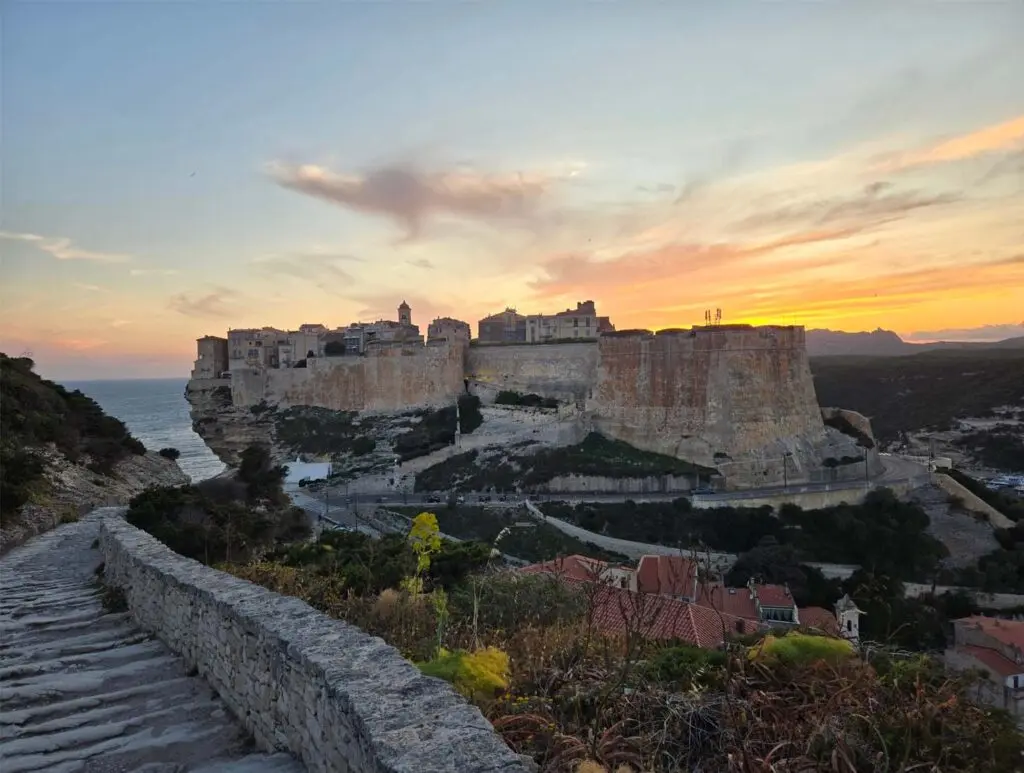
The Corsican summer (July-August) marks the peak of the tourist season, a time when the island reveals its most festive and lively side. Temperatures can reach 30°C along the coast, creating ideal conditions for beach and water sports . The sea temperature peaks at around 25°C, perfect for extended swims and a variety of water sports .
Summer atmosphere and cultural activities
It must be said that summer transforms Corsica into a veritable Mediterranean stage where international tourists and the Corsican diaspora mingle. Back in the country , and locals enjoying their territory. The ports come alive, the terraces fill up, music festivals punctuate the evenings, creating a unique atmosphere of island dolce vita .
However, this surge in popularity is accompanied by considerable crowds at the most renowned sites. The beaches of Palombaggia , Santa Giulia , and Saleccia can be extremely crowded, requiring early morning planning to fully appreciate their beauty. Furthermore, accommodation prices reach their peak, and reservations must be made several months in advance.
Strategies for optimizing a summer stay
In addition, a few tips can help you take advantage of the benefits of summer while limiting the drawbacks of crowds:
- prioritize early morning slots (before 10am) to visit popular sites;
- explore the lesser-known coves by venturing away from the main routes ;
- choose accommodation away from the ultra-touristy areas ;
- book restaurants and water sports activities in advance of your stay;
- plan excursions to the mountainous interior to escape the coastal heat.
These precautions allow you to experience a memorable Corsican summer while preserving the quality of the experience and personal serenity, despite the general activity of the high season.
Autumn in Corsica: mild weather and renewed tranquility
Autumn in Corsica (September-October) is undoubtedly the most balanced time to discover the island in optimal conditions. For example, September still retains the mildness of summer with very pleasant air and sea temperatures, while October reveals the first autumnal colors in a peaceful setting.
The ideal compromise between climate and visitor numbers
It’s worth noting that the sea temperature remains excellent in September (22-24°C), allowing for extended swimming in a much calmer environment than in the height of summer. However, tourist numbers decrease significantly once the school year begins, freeing up access to natural sites and creating ideal conditions for visiting .
This period also coincides with the Corsican grape harvest , a time for conviviality and wine discovery in the island’s vineyards. The markets overflow with chestnuts , figs , grapes , and other seasonal produce , enriching the gastronomic experience of the trip.
Specific autumn activities
The fact is that autumn is a wonderful time for cultural outings and discovering the island’s heritage. The mild temperatures make it easy to visit the citadels (Bonifacio, Calvi, Ajaccio), the hilltop villages (Piana, Sant’Antonino, Zonza) and the archaeological sites (Filitosa, Aléria) without the discomfort of excessive heat.
Furthermore, this season marks the return of mycological activities in Corsican forests, which are particularly rich in diverse mushrooms. Hiking trails regain their optimal condition after any summer fires , allowing for mountain excursions in ideal weather conditions.
Corsican winter: authenticity, calm and cultural immersion
Winter in Corsica reveals a little-known but authentic side of the island, far removed from summer clichés. From November to March, Corsica returns to its traditional island rhythm, its local customs, and its character untouched by mass tourism .
Discovering traditional Corsica
Imagine that winter offers a unique cultural immersion in daily Corsican life. The villages resume their age-old customs, the shepherds bring their flocks down, the producers prepare their specialties (cured meats, cheeses, jams), creating opportunities for authentic encounters with the locals.
That said, expect more variable weather conditions , with periods of rain and temperatures ranging between 8 and 15°C along the coast. Inland, mountainous areas may experience snowfall, transforming some landscapes into surprising alpine scenery in the heart of the Mediterranean.
Advantages of the low winter season
Despite the climatic constraints , winter has undeniable advantages:
- accommodation and transport prices at their lowest for the year;
- privileged access to sites without any tourist crowds;
- opportunities for hunting , fishing and gathering according to local traditions;
- discovering island crafts in its authentic workshops ;
- participation in Corsican religious and calendar festivals.
This period is primarily aimed at travellers seeking an in-depth cultural experience rather than a beach holiday, with a focus on slow tourism and heritage discovery.
Practical advice for choosing your period according to your priorities
Choosing the best time to travel to Corsica depends primarily on your personal priorities, practical constraints, and available budget. It’s worth noting that each season caters to specific traveler profiles and particular expectations , which should be analyzed objectively.
Traveler profiles and recommended periods
It’s worth noting that families with children generally prefer summer for its guaranteed weather and comprehensive tourist infrastructure, despite the crowds and high costs. Couples seeking romance will opt for spring or autumn , enjoying a more intimate setting and moderate prices.
Experienced hikers will choose the shoulder seasons for optimal walking conditions and easy access to trails.
However, those seeking culture and authenticity will gravitate towards winter for an in-depth exploration of island traditions. Photography and nature enthusiasts will find their paradise in spring with the exceptional flowering of the maquis and the unique light of this season.
Practical decision-making elements
Furthermore, certain objective criteria can effectively guide your choice of dates. The available budget is a determining factor: winter and early spring offer the best value for money, while summer requires a significant financial investment.
At the same time, your time flexibility greatly influences your options: the intermediate periods (May-June, September-October) harmoniously combine climatic advantages and moderate prices, proving ideal if your dates are not constrained by school holidays .
After these practical considerations, it becomes possible to refine your choice according to your specific priorities and to build a stay perfectly suited to your personal expectations.
Choosing the best time to visit Corsica requires a delicate balance between your desires, your budget, and your personal constraints. It’s important to know that the Isle of Beauty offers radically different experiences depending on the season, each revealing particular facets of its authentic Mediterranean character .
Spring seduces with its mild climate and the explosion of flowers in the maquis, summer guarantees relaxation and festive entertainment despite the crowds, autumn offers the ideal compromise between pleasant climate and tranquility, while winter reveals traditional Corsica in all its authenticity . Ultimately, the perfect time will be the one that best matches your personal vision of a trip to Corsica, whether it’s a seaside getaway , a sporting adventure, a cultural discovery, or a rejuvenation in contact with unspoiled nature.