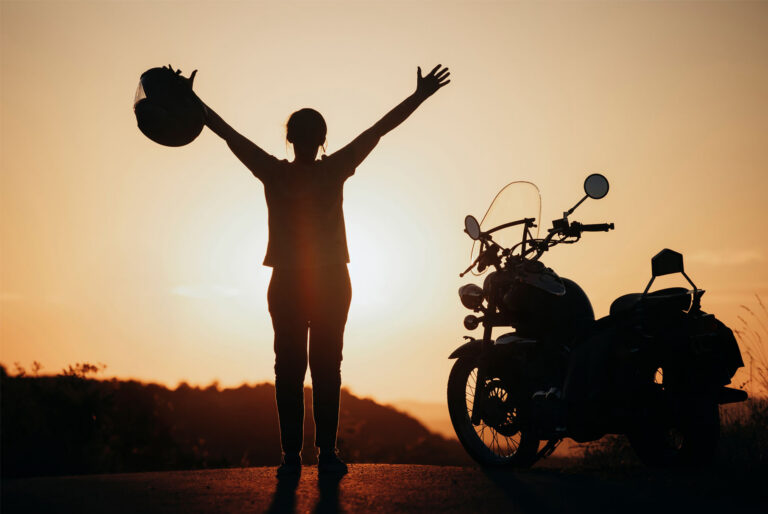

Riding along the island’s roads remains a major dream for most motorcyclists in search of endless curves and breathtaking views. In 2026, the “Island of Beauty” retains its status as a legendary destination, but it demands total respect from motorcycle enthusiasts. It’s important to note, however, that a motorcycle tour of Corsica cannot be improvised—or else a memorable adventure could turn into a logistical or mechanical nightmare.
In truth, the island’s road network presents challenges that are unique in the world and found nowhere else on the mainland. The combination of winding roads, occasionally deteriorated pavement, and the constant presence of wildlife requires constant concentration while riding. To fully enjoy every kilometer, you must master all the risk factors specific to this exceptional territory.
Corsica’s geography offers a variety of spectacular yet challenging landscapes. You can go from sea level to high-mountain passes in just a few dozen minutes. This significant temperature range directly affects your vehicle’s performance and your tires’ grip.
Although infrastructure has been modernized on major regional highways, smaller departmental roads still hold some major surprises. Thorough technical preparation and careful route planning are therefore essential to your safety. With that in mind, this comprehensive guide covers all the key factors you need to consider to ensure a successful motorcycle trip.
Road Conditions and Managing Potholes
Corsican asphalt is renowned for its variety and unpredictability. While some newer sections offer fantastic grip worthy of a racetrack, other secondary roads prove to be a real challenge for suspensions and traction. The ravines along the roadside aren’t always equipped with metal guardrails, leaving no room for error in your line.
In addition, be aware that summer heat can soften the asphalt and create particularly slippery patches in tight turns. Mountain weather conditions regularly damage road surfaces during the winter season. Rockfalls and landslides are common on roads in the center of the island. Caution is essential when taking every turn, as a pile of gravel or a landslide may be hidden just around a blind curve.
Controlling your path depends on your ability to anticipate the road ahead as much as possible. There are many natural and technical obstacles, which require you to constantly adjust your speed.
The dangerous combination of gravel and melted tar
Summer maintenance projects often use the gravel-surfacing technique to repair county roads at a lower cost. These layers of loose, small stones are an absolute nightmare for motorcyclist on the road. They reduce traction to zero and can cause sudden front-end losses at low speeds.
Meanwhile, the intense heat causes the asphalt resin to rise to the surface of the road. These shiny black patches become as slippery as black ice after even a light thunderstorm. Road maintenance crews mark these areas, but the signs are sometimes obscured by the dense vegetation of the maquis. This is a compelling reason to adjust your driving and maintain a generous safety margin at all times.
Road surface deformations and the lack of guardrails
The island’s rugged terrain causes regular subsidence due to the weight of traffic and inclement weather. Bumps and potholes are commonplace as soon as you leave the main roads connecting major cities. Improperly adjusted suspension or incorrect tire pressure can quickly destabilize your vehicle during hard braking.
The most daunting danger remains the immediate proximity to the drop-off along the coastal roads. To preserve the wild landscape, authorities install stone guardrails only in the most exposed areas. The sensation of the void can be daunting for drivers unaccustomed to alpine terrain. Keeping your eyes fixed on the distant exit of the curve remains the only effective way to avoid being drawn into the ravine.
Wildlife on the loose: a constant danger around every corner
One of the most famous features of the island’s road network isthe presence of domestic and wild animals roaming completely freely. Nustrale pigs, goats, cows, and wild cows consider the road their natural habitat. They are completely unafraid of motor vehicles and will not move out of the way as you approach. A collision with a cow around a blind curve is, unfortunately, a common summer accident.
Wildlife at night poses an even greater risk if you decide to drive after sunset. Wild boars cross the roads in large groups to forage along the roadside.
Damage sustained by a motorcycle in a collision with a wild pig weighing several dozen kilograms will invariably put an end to the rest of your trip. To avoid serious incidents involving animals, it is essential to adopt specific driving practices throughout the country.
The Unpredictable Behavior of Herds in the Mountains
Cattle often seek out the heat stored in the asphalt at the end of the day or the shade of rock faces during the hottest hours. Corsican cows can suddenly emerge from the scrubland without any warning. For example, if a calf crosses the road, its mother will immediately follow, completely cutting off the motorcycle’s path.
You should slow down drastically as soon as you spot fresh droppings or manure on the ground. In 2026, sharing the road with traditional pastoralists is an integral part of the island’s charm. Honking tends to panic the animals rather than scare them off the road. Driving at a walking pace, while maintaining sufficient lateral distance, remains the only safe course of action.
The absolute ban on driving at night in rural areas
Riding a motorcycle at night outside major urban areas is an unnecessary and extremely dangerous risk. Street lighting is nonexistent on the vast majority of secondary roads. Your headlight beam won’t be strong enough to spot a dark-colored animal lying on the dark asphalt in a sharp curve in time.
Poor visibility also makes it harder to see the road surface. A puddle of oil or a patch of loose gravel becomes completely invisible in the dark. To be safe, it’s best to plan your stops around daylight hours so you arrive at your destination before dusk. This schedule ensures restful nights and preserves the physical health of the driver and passenger.
- The herd of goats always has the right of way on the road;
- A wild boar may charge if it feels trapped between the motorcycle and the rock;
- Livestock seek out the salt spread on mountain roads during the winter.
You should always remain vigilant around animals, even on roads that appear to be heavily traveled by tourists. You ensure your own safety by agreeing to ride at a leisurely pace as soon as you head inland.
Weather and Orientation: Coping with Sudden Changes in the Environment
The island’s geography creates a surprisingly wide variety of microclimates over very short distances. You can leave a sun-drenched coastline with sweltering temperatures and find yourself thirty minutes later in an Alpine pass shrouded in freezing fog or caught in a storm of unprecedented intensity. In 2026, high-precision weather apps allow you to track changes in real time, but caution is still advised. Wind is also a major destabilizing factor for motorcycles loaded with luggage.
Driving on the roads of Cap Corse or the Calanques de Piana requires special caution during Libeccio gusts. Wind gusts can exceed 100 kilometers per hour as they pass over high points.
Choosing the right gear and adjusting your route based on weather alerts is the only way to travel with peace of mind. Before crossing a high-mountain pass, checking traffic conditions is a must every morning. The terrain leaves no room for errors in assessing weather conditions.
The Impact of Mountain Thunderstorms on Flight Operations
Tropical or mountain thunderstorms develop rapidly in the late afternoon over rocky mountain ranges. Torrential rain washes away the soil and carries dirt, leaves, and oil onto the road. Water runs across the road in small cascades, which are very dangerous for maintaining balance on the motorcycle. A complete, waterproof rain suit should always be easily accessible on top of your luggage.
The temperature can drop by more than ten degrees in just a few minutes as a storm front passes at high altitude. Fatigue sets in very quickly when the body is subjected to these sudden temperature changes. Wet summer gloves no longer protect against the cold and reduce your sensitivity to the throttle and brake levers. Stopping at a village café to wait out the worst of the storm is still the best decision you can make.
Guidance and Management of Fuel Autonomy
Distance measurements in kilometers in Corsica are very misleading due to the extremely winding nature of the road network. Calculating your route based on the average speed on the mainland is a common mistake made by first-time visitors. The average speed rarely exceeds forty kilometers per hour once you leave the coastal expressways.
The network of gas stations is significantly less dense inland than along the coast. Many small gas stations, which close early in the evening or on Sundays, do not have machines that accept credit cards. Running out of gas in the middle of a remote valley with no cell phone service can quickly turn into a nightmare. Filling up as soon as your tank is half empty is the golden rule for all seasoned travelers.
- The average speed calculated on the mainland must be halved on the island.
- Self-service gas stations are rare in the heart of mountain ranges.
- Cell phone coverage is nonexistent in some valleys.
Smart fuel and schedule management saves you the stress of running out of gas in the middle of nowhere. You can enjoy the fantastic scenery with your mind free of any logistical concerns.
Shared-use roads and the behavior of local road users
The mix of residents, heavy trucks, RVs, and the influx of summer motorcyclists creates heavy and varied traffic. Local drivers know every turn like the back of their hand and drive at a brisk pace that tourists can’t keep up with. Islanders appreciate courtesy and adherence to the rules of the road. It’s best to let vehicles that are tailgating you pass so you can drive without feeling pressured.
Conversely, tourist shuttle buses and massive RVs take up the entire width of the road in narrow passages. The side mirrors on these behemoths extend well into the oncoming lane on hairpin turns. Encountering a bus in the middle of a blind curve requires driving at a very slow speed and maintaining maximum lateral maneuvering room.
To ensure a pleasant and smooth experience during your daily rides, courtesy and composure are essential qualities for any cyclist.
Coexisting with local users in a hurry
Artisans, delivery drivers, and island residents use these roads every day to get to work and don’t have time to dawdle. Local vehicles often catch up to you very quickly on winding stretches of road. Pull over as soon as possible by signaling right, which allows the driver in a hurry to pass safely.
Corsican motorcyclists have impressive riding skills and a perfect sense of line. Trying to keep up with a local on their home turf is the surest way to make a major riding mistake. Everyone should ride at their own pace without ever trying to impress other road users. Safety comes before any consideration of personal pride.
Management of RVs and Tour Buses
During the peak summer season, the number of RVs on coastal roads becomes particularly staggering. These wide vehicles have a hard time passing each other on narrow local roads and often cause traffic jams stretching for several kilometers. RV drivers are often stressed by the terrain and don’t always check their mirrors.
Attempting a reckless pass on a winding road with zero visibility is sheer madness. You must wait for a clear stretch of straight road or a designated passing lane to safely pass these heavy vehicles. Patience is key during your trip to ensure that the joy of driving never turns into pointless frustration.
- The right turn signal indicates to the vehicle behind that it can safely pass.
- The horn must be sounded before entering a very tight hairpin turn.
- Tourist buses must come to a complete stop on the shoulder if necessary.
Smooth traffic flow ensures a friendly atmosphere throughout your journey. You’ll become part of the community of road users with a smile and by following local rules.
Preparing the motorcycle and luggage for the island terrain
Riding a motorcycle on extremely winding roads puts much greater strain on the engine and chassis than a typical highway trip. By 2026, soft and hard luggage technologies have advanced, but weight distribution is still subject to the laws of physics. Your motorcycle’s ground clearance will be reduced by the weight of your passenger and your luggage. The footpegs and center stand may scrape the ground very early on in tight turns.
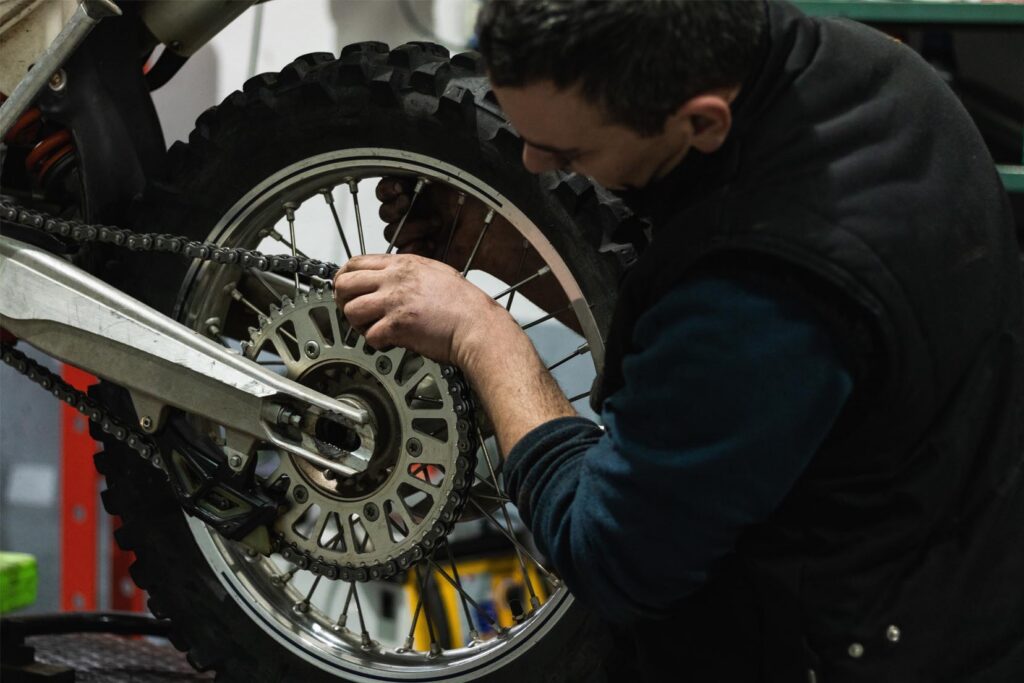
Tire, brake pad, and chain kit wear accelerates dramatically on the island’s abrasive asphalt. A tire that’s half-worn when you leave the mainland can be completely worn out after a thousand kilometers of Corsican twists and turns. Having your bike thoroughly serviced by your regular dealer before taking the ferry is absolutely essential if you don’t want to spend your vacation in the shop.
It is important to note that thorough preparation of the machine must be accompanied by balanced loading to maintain optimal handling during a series of turns.
Strict inspection of supplies before departure
Brakes are subjected to extreme thermal stress during prolonged descents from mountain passes. Old brake fluid can boil and cause a complete loss of braking power (a phenomenon known as “vapor lock”). The brake system must be flushed and new brake pads installed before loading the motorcycle onto the boat.
Tires must have a smooth, round profile and deep tread. The tread wears down quickly on the sidewalls due to the constant succession of turns. Finding a replacement tire with the specific dimensions for your vehicle at a small shop in central Corsica can take several days. Setting out with new tires is the only way to drive with peace of mind.
Weight Distribution and Luggage Stowage
Your bike’s center of gravity should remain as low as possible to maintain the agility needed for tight turns. The heavy side cases should hold the heaviest items (tools, water bottles, shoes), while the top case should hold only lightweight items. Tire pressure should be increased according to the manufacturer’s recommendations for riding with a passenger and luggage.
The straps and bungee cords used to secure the bags must be checked at every stop to prevent a bag from sliding toward the rear wheel or the hot exhaust pipe. Corsica Camping is part of this quest for adventure and freedom, offering innovative, waterproof gear designed for motorsports and board sports enthusiasts who travel the world. The future of motorcycle travel depends on choosing gear that is reliable, lightweight, and perfectly suited to the demands of the most challenging terrain.